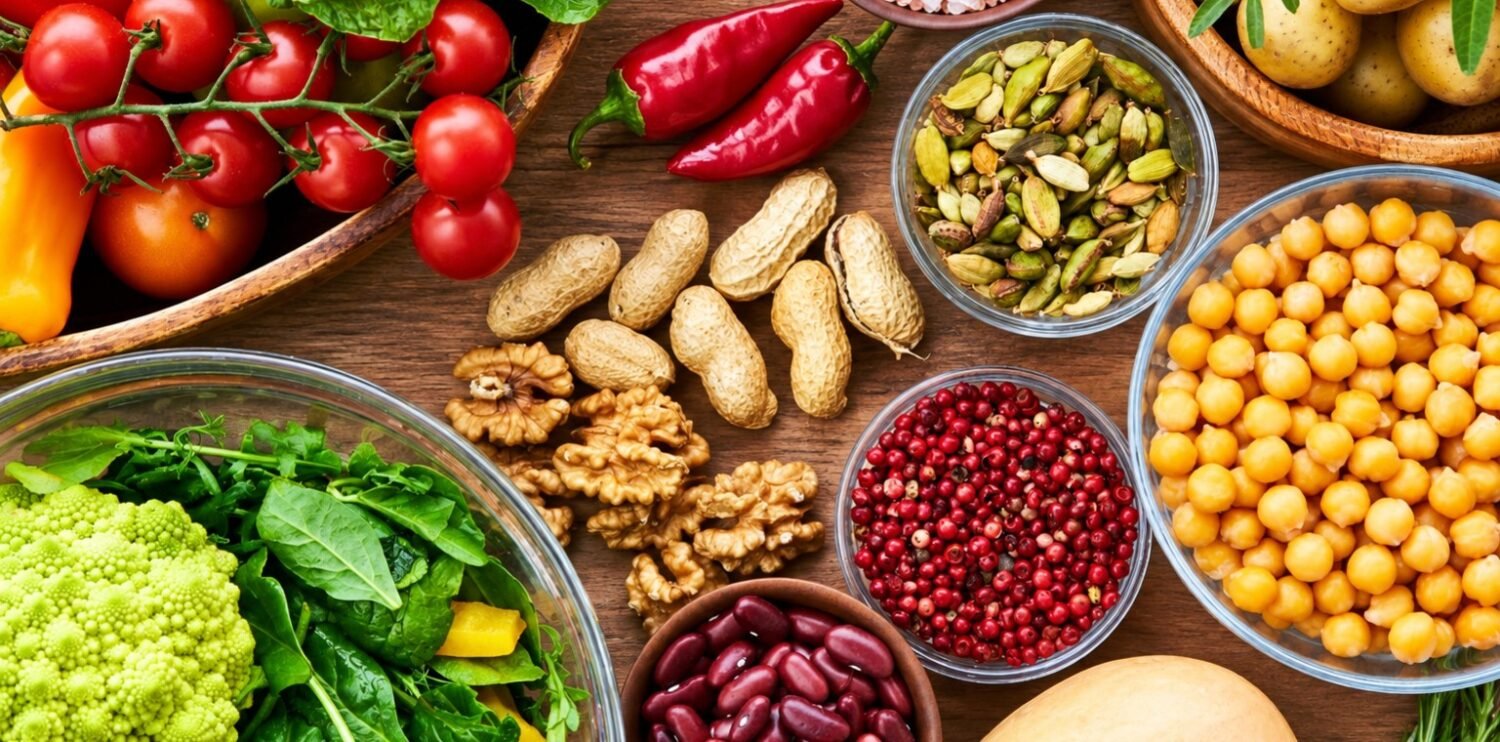
When we hear the word micronutrients, it can be easy to assume they aren’t that important. After all, “micro” refers to the tiny amounts we need, usually measured in milligrams or micrograms. But despite the small quantities, minerals play a big role in keeping our bodies working properly.
Most of us have heard about minerals from an early age – from Popeye and his spinach supposedly giving him strength, to being encouraged to drink milk to help build strong bones.
But minerals are much more than just iron and calcium. They are involved in a wide range of processes throughout the body, from producing energy and supporting muscles and nerves to maintaining bones and protecting cells.
There are many different minerals, each with its own role in the body. So, what exactly are minerals, which ones do we need, where can we get them from, and how much do we need?
What are minerals?
Minerals are naturally occurring substances that our bodies need to carry out many essential processes. Unlike vitamins, which are made by plants or animals, minerals are elements found in the earth. Plants absorb them from the soil, while animals obtain them through their food and water.
We only need relatively small amounts of most minerals, but they have a wide range of important roles. They help build and maintain bones and teeth, support muscle and nerve function, contribute to energy production and help keep our cells healthy.
Some minerals, such as calcium, magnesium and phosphorus, are important for the structure of our bones. Others, including iron, iodine and zinc, have very different roles, from carrying oxygen and supporting metabolism to maintaining a healthy immune system.
Minerals can also work together. For example, calcium and magnesium both contribute to normal muscle function and bone health, while sodium and potassium work together to help maintain fluid balance and nerve function.
So although we may only need them in tiny amounts, minerals are involved in many of the processes that keep our bodies functioning normally.
How much do you need?
Our nutritional requirements change throughout our lives. Age, sex, pregnancy and other factors can affect how much of a particular mineral we need. For example, children need more calcium to support growing bones, while women generally need more iron during their reproductive years.
Recommended Daily Allowances (RDAs) have been established for many minerals. These provide a guide to the amount needed to meet the requirements of most healthy people, although individual needs can vary.
Key Minerals
There are many different minerals, but some are particularly important because of the wide range of roles they play in the body. Here are some of the key minerals, along with their main functions and food sources.
Boron
What it does – Supports bone growth, maintenance and mineral density.
RDA – No established RDA.
Food sources – Soya, raisins, almonds, prunes and prune juice, peanuts and peanut butter, fresh fruit such as apples, pears and peaches, and beans.
Calcium
What it does – Calcium is the most abundant mineral in the body, with around 99% found in the bones. It is involved in the formation and maintenance of bones and teeth, as well as normal nerve and muscle function.
RDA – Adults 700 mg
Food sources – Seeds, green leafy vegetables, milk powder, cheddar cheese, sardines, tofu, watercress, natural yoghurt, whole milk, peanuts, cabbage, eggs and white fish.
Fact – Vitamin D helps your body absorb calcium from food.
While calcium is best known for its role in bones, minerals also have important roles in how the body produces and uses energy.
Chromium
What it does – Contributes to normal glucose metabolism and helps the body use nutrients for energy.
RDA – No established RDA. However, above 25 mcg is thought to be adequate for healthy adults.
Food sources – Egg yolk, molasses, brewer’s yeast, beef, turkey breast, wholegrains, shellfish, broccoli, spinach and bananas.
Fact – No one food group is particularly high in chromium; most foods contain at least some of this mineral.
Iron
What it does – Iron is an important part of haemoglobin, the protein in red blood cells that carries oxygen around the body. It is also found in myoglobin in muscles and contributes to normal energy production.
RDA – Men aged 19+: 8.7 mg
Women aged 19–49: 14.8 mg
Women aged 50+: 8.7 mg
Food sources –
Animal sources: beef, lamb, pork, liver, kidney, shellfish, canned sardines, chicken and turkey.
Plant sources: beans, lentils, chickpeas, spinach, broccoli, kale, watercress, pumpkin seeds, almonds, sesame seeds, tofu, dried apricots, prunes and raisins.
Fact – Iron from animal foods is generally more readily absorbed. If you get most of your iron from plant foods, eating them alongside a source of vitamin C can help absorption.
Manganese
What it does – Contributes to bone development, antioxidant defence and energy metabolism.
RDA – No established RDA.
Food sources – Brown rice, oats, chestnuts, hazelnuts, almonds, pumpkin seeds, soybeans, lentils, chickpeas, spinach and kale.
Iron, chromium and manganese are involved in energy-related processes, but minerals also have other important jobs. Some are particularly important for the thyroid, which produces hormones involved in regulating metabolism.
Iodine
What it does – Iodine is required to make thyroid hormones, which help regulate metabolism and other processes in the body.
RDA – Adults: 140 mcg.
Food sources – Kelp, haddock, cod, scampi, whiting, herring, meat, vegetables and grains.
Fact – The iodine content of plant foods can vary depending on the soil in which they are grown.
Selenium
What it does – Selenium contributes to antioxidant protection and is also involved in normal thyroid function.
RDA – Men aged 19–64: 75 mcg
Women aged 19–64: 60 mcg.
Food sources – Brazil nuts, tinned tuna, prawns, crab, offal, red meat, poultry, eggs, cottage cheese and Greek yoghurt.
Fact – Selenium content can vary considerably between foods, particularly plant foods, because it depends partly on the selenium content of the soil.
Minerals are also essential for the way our muscles and nerves work. Potassium and magnesium are particularly important here, with potassium also working closely with sodium to help maintain fluid balance.
Magnesium
What it does – Around 50-60% of the body’s magnesium is found in the bones, where it contributes to their structure and strength. It also plays an important role in energy release, nerve and muscle function and heart rhythm.
RDA – Men aged 19–64: 300 mg
Women aged 19–64: 270 mg.
Food sources – Pumpkin seeds, chia seeds, almonds, cashews, spinach, kale, Swiss chard, brown rice, wholemeal bread, oats, quinoa, black beans, lentils, kidney beans, chickpeas, dark chocolate, salmon, mackerel and avocados.
Potassium
What it does – Potassium is an electrolyte, meaning it carries an electrical charge when dissolved in body fluids. It works alongside sodium to help maintain fluid balance and is important for normal nerve and muscle function.
RDA – No RDA; the NHS uses a standard daily intake of 3,500 mg for adults.
Food sources – Potatoes, Swiss chard, spinach, sweet potato, edamame, lentils, bananas, dried apricots, watermelon and oranges.
Zinc
What it does – Zinc plays an essential role in cell metabolism, DNA synthesis and tissue growth. It also supports the immune system, skin integrity, and normal taste and smell.
RDA – Men aged 19–64: 9.5 mg
Women aged 19–64: 7 mg.
Food sources – Shellfish, red meat, poultry, cheese and milk, legumes, hemp and pumpkin seeds, pine nuts and cashews.
The takeaway
Minerals may only be needed in relatively small amounts, but they play important roles throughout the body. The easiest way to get a good range is not to focus on one particular “superfood”, but to eat a varied diet containing plenty of vegetables, fruit, wholegrains, legumes, nuts, seeds and other nutrient-rich foods.
It’s also worth remembering that getting enough minerals isn’t just about what we eat. Our bodies need to absorb and use them too, which is why a healthy digestive system and a varied diet are important.
Rather than worrying about hitting an exact number for every mineral each day, focus on variety and consistency. Eating a range of different foods across the week makes it more likely that you’ll get the mix of minerals your body needs.
As you can see, minerals are involved in many different processes throughout the body, and no single food provides everything we need.
References:
Abbaspour, N; Hurrell, R et al. (2014) ‘Review on iron and its importance for human health’, Journal of research in medical science, 19(2), pp. 164-174
Abioye, A. et al. (2021) ‘Calcium intake and iron status in human studies: A systematic review and dose response meta-analysis of randomized trials and crossover studies’, The Journal of nutrition, 151(5)
Hallfrisch, J. and Muller, D.C (1993) ‘Does diet provide adequate amounts of calcium, iron, magnesium and zinc in a well-educated adult population?’, Experimental Gerontology, 28(4-5).
Rayman, M.P. (2012) ‘Selenium and human health’, The Lancet, 379 (9822).