
We all know that regular physical activity is important for our health, but that doesn’t mean everyone enjoys going to the gym. For some people, past experiences with exercise may have left them feeling that physical activity is something to endure rather than enjoy.
But movement doesn’t have to feel like a chore. Finding activities that bring you joy can make being active feel more natural, enjoyable and sustainable.
Movement doesn’t only happen during a dedicated workout. Everyday activities such as dancing around the kitchen, gardening, walking, playing with children and cycling all contribute to our overall activity levels. However, adults should still aim to include the different types of activity recommended in the guidelines, particularly aerobic activity and muscle-strengthening activity.
UK Chief Medical Officers’ physical activity guidelines for healthy adults and older adults, provide a useful framework for thinking about how much activity we need for good health. They cover aerobic activity, muscle-strengthening activity and the importance of reducing prolonged periods of sedentary behaviour.
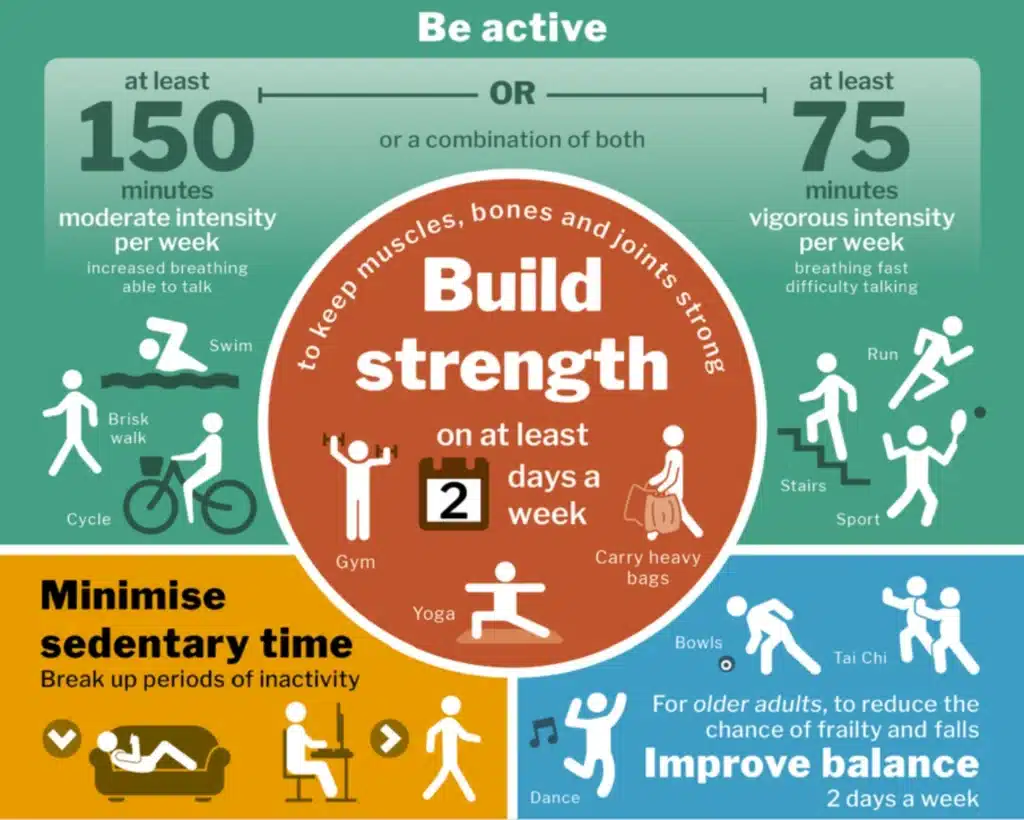
So, how can we build the different types of movement we need into our lives without relying on the gym? This is where the concept of joy in movement comes in: finding physical activities that feel like play rather than following strict rules. Instead of feeling like a chore, movement can boost your mood, reduce stress and make you feel good.
Ideas for finding joy in movement
Indoor movement
- Housework dance – put on an upbeat song and go for it
- Mini ‘joy activities’ – short, freeing movements that feel right (think exercise snacks but less structured, just do what feels good)
- Games – jump rope, hop scotch, hide and seek etc.
Outdoor movement
- Walking with friends
- Gardening
- Cycling, skating or rollerblading
- Beach, park or garden games – frisbee, catch, swingball etc
- Nature walks / plant identification
Gentle movement and wellbeing
- Stretching
- Yoga or mobility exercises
- Gardening
- Forest bathing
- Breathing and relaxation exercises
As you can see, there are plenty of ways to build different types of movement into your week without going to the gym. Walking can contribute to aerobic activity, gardening can involve lifting, carrying and other strength-based movements, while stretching and mobility exercises can help maintain flexibility.

So should we be in the gym or not?
If you enjoy the gym and it’s accessible to you, fantastic. There’s no reason to stop doing something that you enjoy and that helps you reach your goals.
But if the gym isn’t for you, that’s okay too. Home workouts, outdoor activities, sports, classes and everyday movement can all form part of an active lifestyle.
The goal isn’t to find the “right” way to exercise. It’s to find ways of moving that you enjoy enough to keep doing.
Finding joy in movement doesn’t mean every activity has to be easy or enjoyable every minute. Some forms of exercise will challenge us, but choosing activities we genuinely enjoy can make it easier to stay active consistently.
Shift your mindset
Many people still think exercise is primarily about weight control and aesthetics, and that it needs to be intense to be worthwhile. To challenge this, we need to think about a shift in mindset…
From rules to enjoyment
Instead of focusing on calories burned, workout duration or how hard you can push yourself, look for activities that genuinely feel good. Think back to the movements you enjoyed as a child. They were fun, spontaneous and rarely felt like exercise.

Listen to your body
Some days you may feel ready for more challenging activities. On other days, a gentle walk or some stretching may be more appropriate. Pay attention to how you feel during and after movement.
Think beyond the gym
Dancing, walking groups, gardening, hula hooping, cycling, team sports and classes can all provide ways to be active.
Experiment
You don’t have to find your perfect activity straight away. Try different things and notice what you enjoy.
Make movement social
If you’re a sociable person, try walking with friends, joining a group or taking part in a team activity.
As finding joy in movement is often unstructured, how can we make sure we are still working towards our health and fitness goals? If you’re working towards a particular goal, it can still be useful to keep track of what you’re doing. You might record how long you were active, how often you did an activity or how challenging it felt.
Over time, you can gradually increase the duration, frequency or intensity of activities where appropriate. This gives you the benefits of structure without taking away the enjoyment.
It’s also worth remembering that being active isn’t just about dedicated exercise. Breaking up long periods of sitting with short bursts of movement can also be beneficial. A few minutes of walking, stretching, climbing the stairs or doing some housework can help you spend less time sedentary throughout the day.
You don’t need to love the gym to be an active person. The key is to find movement that fits your life, your abilities and, most importantly, something you enjoy.
Dance in the kitchen, take the long way home, join a walking group, get out in the garden or try something completely new. Movement doesn’t always have to be structured to be worthwhile.
Find something that makes you want to move—and you may find that staying active becomes something you look forward to rather than something you have to force yourself to do.
And who knows—you might even be a Guinness World Record holder in hula hooping by the end of the year!