
Ageing and muscle mass are usually seen as having a negative relationship. We are under the impression that as we get older, we will lose muscle and strength and we think this is inevitable. However, the good news is that the ability of muscle protein to respond to resistance (promote growth), is preserved until very old age. This means that nutrition remains highly important to give the muscle the building blocks it needs to achieve this.
Protein
- What we eat is very important as it provides the nutrient building blocks to enable muscle growth and maintenance.
- Low protein intake exacerbates muscle weakness/loss and frailty, which in turn leads to a higher risk of falls.
- Prioritize spreading protein intake evenly across meals
- A general guide for adults would be 20g protein per meal as an evidence-based baseline for most adults to support muscle maintenance and metabolism. A slightly higher intake of 30-40g per meal may be better for older adults aged 60 plus.
- Some examples of what a 20g serving of protein might look like; a small chicken breast, 3 eggs, 1 cup (not mug) of cooked lentils, 3 tbsp chia seeds, 100g salmon, 1 cup plain Greek yoghurt, 5-6 tbsp nut butter.
- It isn’t just about the quantity of protein, but the quality! High quality proteins contain all the essential amino acids, these include; eggs, lean meat, fish, dairy products, quinoa, hemp seeds and soy (tofu, tempeh, edamame beans).
- As many plant proteins lack all the essential amino acids, we need to mix them in meals to obtain them all. For example; rice and beans, hummus and pita, nuts with legumes and beans with grains.
- Whether you are a vegetarian/vegan or not, it is still very important to take in some of your protein via plant sources. Firstly, they are rich sources of fibre, water soluble vitamins and phyto chemicals. Secondly, they are less acid forming than animal proteins.
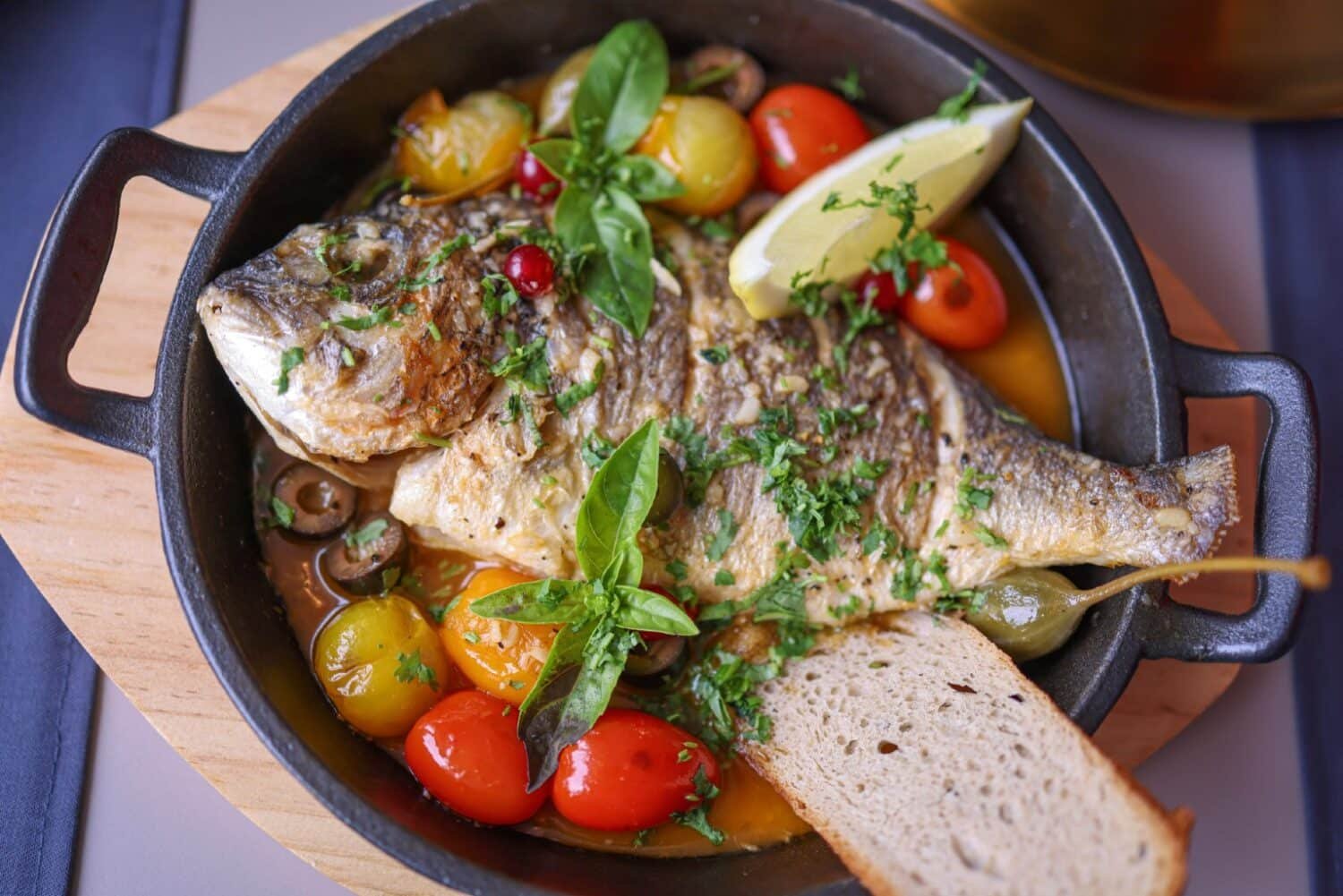
Omega 3 Fats
The role of essential fats on muscle cannot be underestimated as they play an impressive role. It is important to note that the benefits from essential fats, is mainly to be found in the omega 3 fats in marine oils, such as oily fish. Omega 3 fats found in plants do not carry this same potent benefit.
- Regular intake of oily fish (such as salmon, pilchards, sardines, mackerel) provide good sources of omega 3 fats, which can support; increased muscle strength, improved muscle quality, improved protein synthesis and a reduction in inflammation.
- Government advice is two portions of fish (140g) per week, one of which should be oily. However as oily fish is such a highly effective strategy to combat age-related muscle loss, then 2 portions of oily fish would be better. With evidence suggesting that 3 portions of oily fish per week, would give maximum benefit in combating sarcopenia.
- For vegans and vegetarians – green powders such as; spirulina and chlorella (algae) are rich in these same omega 3 fats found in oily fish and will carry the same benefit to the muscles.