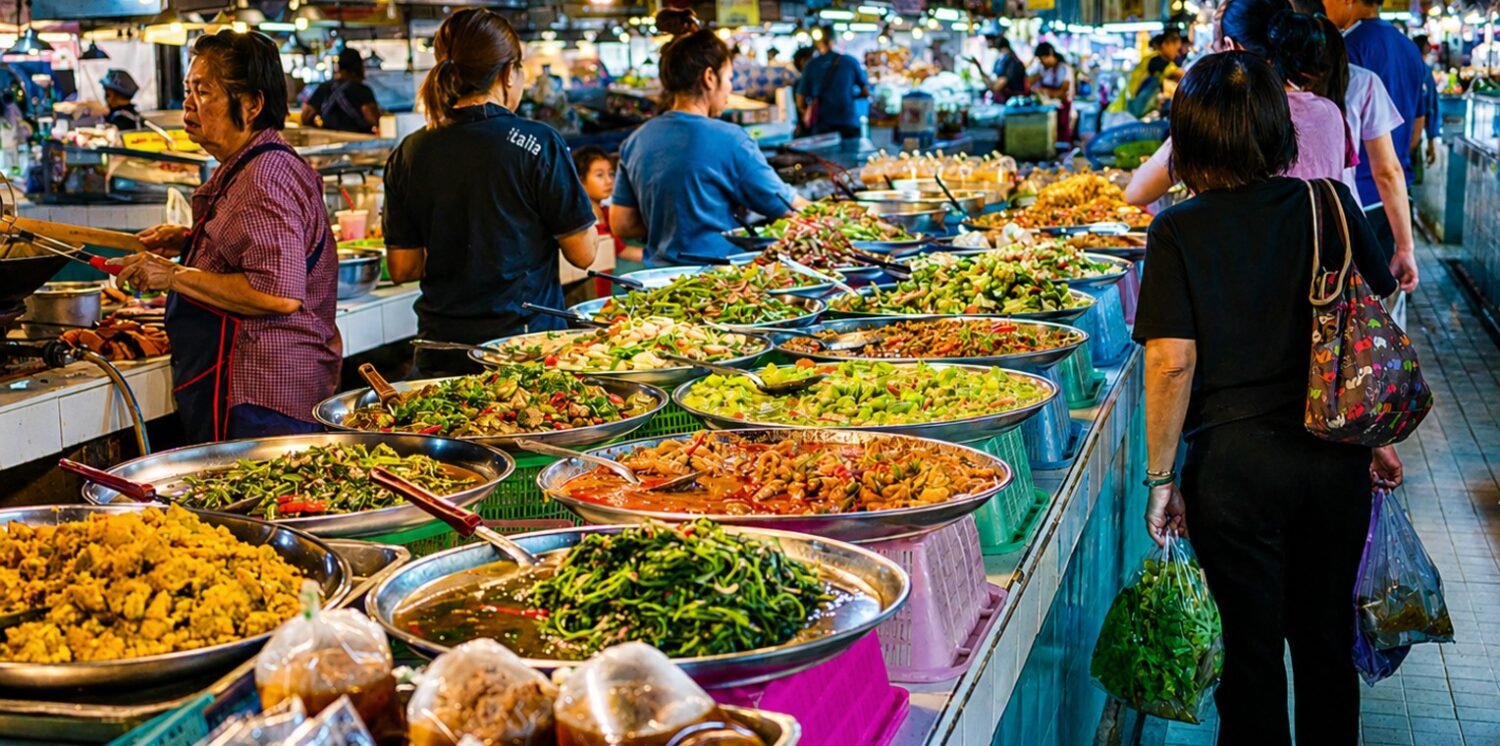
Many of us are familiar with different cuisines, especially now that foods from around the world are so popular in the UK. We often talk about going for a Chinese or an Indian meal, without really thinking about how these cuisines developed over time.
What we may not consider is how different cuisines can influence the health of the populations they come from, and the benefits they may offer us too. In some cases, the connection is more widely recognised.
For example, the well-known health benefits of the Mediterranean diet helped shape the DASH diet (Dietary Approaches to Stop Hypertension), which has been extensively researched for improving heart health and lowering blood pressure.
Blue Zones
There is a keen interest from science journals to study long-lived populations, often referred to as “Blue Zones”. What is in these areas that makes the difference to longevity and lower incidence of chronic conditions?
Often a big factor is diet. But can we simply mirror one culture’s food intake and expect to live to a healthy old age? The answer is…………..it’s not that simple. But there are certainly things we can take on board from taking an overview of ‘world cuisines’.
It is interesting to note that when groups (who have followed traditional eating for thousands of years) are placed onto a Western style diet (high in processed foods), their vulnerability to Western diseases increases rapidly. An example of this would be many groups of Indigenous people who have lost much of their ancestral land and been absorbed into Western culture. This completely new eating pattern sadly leads to the development of type 2 diabetes at alarming rates.
Closer to home, a recent World Health Organisation report showed quite startlingly, British women are at the top of the international Ladies’ League Tables of Heart Attacks and British men are in the number one position in the male league.
The French paradox
The data for our neighbours is not looking good either. WHO reported Irishmen and Scotsmen are three times more likely to die of coronary artery disease than their French counterparts. The fact that Aberdonians are so much more at risk than the citizens of Toulouse is known in Nutrition science as the “French Paradox”.
French cuisine, after all, is at least as rich as Scottish food. A diet containing full fat cheese and pate de foie gras is not at all what the doctor ordered and yet the French seem able to ‘get away with it’.
The relative immunity of the French is due to various components in their diet. This includes the mono-unsaturated fatty acids (and flavonoids) in olive oil, the flavonoids in red wine, and other antioxidant compounds such as lutein in kale and other green leafy vegetables and lycopene in tomatoes.
In terms of other diseases however such as breast and prostate cancer, the French don’t do nearly as well as the Koreans. Korean natives seem to be protected from these illnesses due to their high consumption of soy products.
In African cultures where high fibre diets are traditionally consumed, the incidence of colon cancer is far lower than it is in the USA, France or Britain. In the North African nation of Morocco for example, they have an 80% lower rate of heart attack than the UK or Finland. Their diet is high in dried fruits, pulses, vegetables and olive oil.
Common nutritional factors
Every country and every culture has its own strengths and weaknesses. If we could take the good points from each one, it is true that we could assemble a diet that could potentially lower illness risk factors. This diet could have the potential for people to live healthier lives and perhaps reach their biological potential.
The common factors of the food intake in countries with low cancer, heart attack, and stroke rates, contain high levels of:
- Fruit and vegetables – a wide range containing plenty of colours, plus lots of green leafy vegetables
- Oily Fish -such as salmon, sardines, mackerel, herring, pilchards and tuna. Fresh, frozen, canned all count.
- Soy Products – foods made from soybeans, this can include non-fermented such as soymilk, tofu, soy nuts and edamame beans. Fermented such as miso, tempeh and soy sauce.
- Fibre – this is found in fruit, vegetables, seeds, nuts, pulses.
- Pulses, beans and chickpeas – these are excellent sources of protein and fibre.
- Nuts – plain nuts are excellent sources of protein, fibre, vitamin E and good fats. In the Netherlands for example they recommend eating at least 15g of plain nuts per day. The UK doesn’t have a quantity recommendation. Good examples include almonds, walnuts and Brazil nuts.
- Olive Oil – a good quality Extra Virgin olive oil will have the highest levels of antioxidant nutrients.
- Red Wine – there is a delicate balance here between the flavonoid benefits of red wine and overconsumption of alcohol. There is some research suggesting that red grape juice can have similar heart benefits to red wine, however grape juice is high in sugars, so it isn’t the best solution.
They are also low in ultra-processed foods (i.e. foods that contain ingredients you struggle to pronounce, let alone know what they are).
References:
M.Finicelli, ‘The Mediterranean diet: An update of the clinical trials’, Nutrients 2022 Jul 14 (14):2956.
L. Kushi et al, `Health implications of Mediterraean diets in light of contemporary knowledge`, Am J Clinical Nutrition 1995 Vol 61:6 p1416-1427.