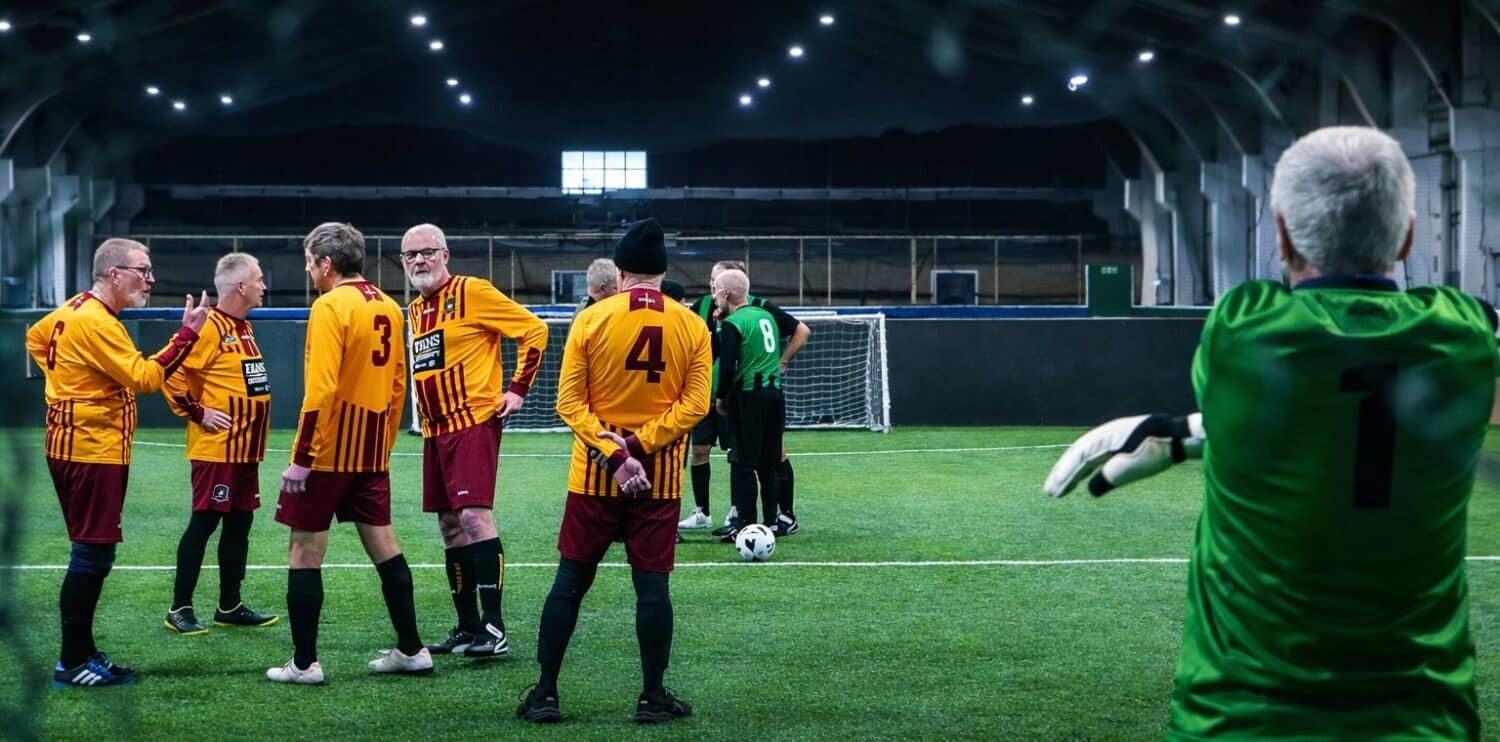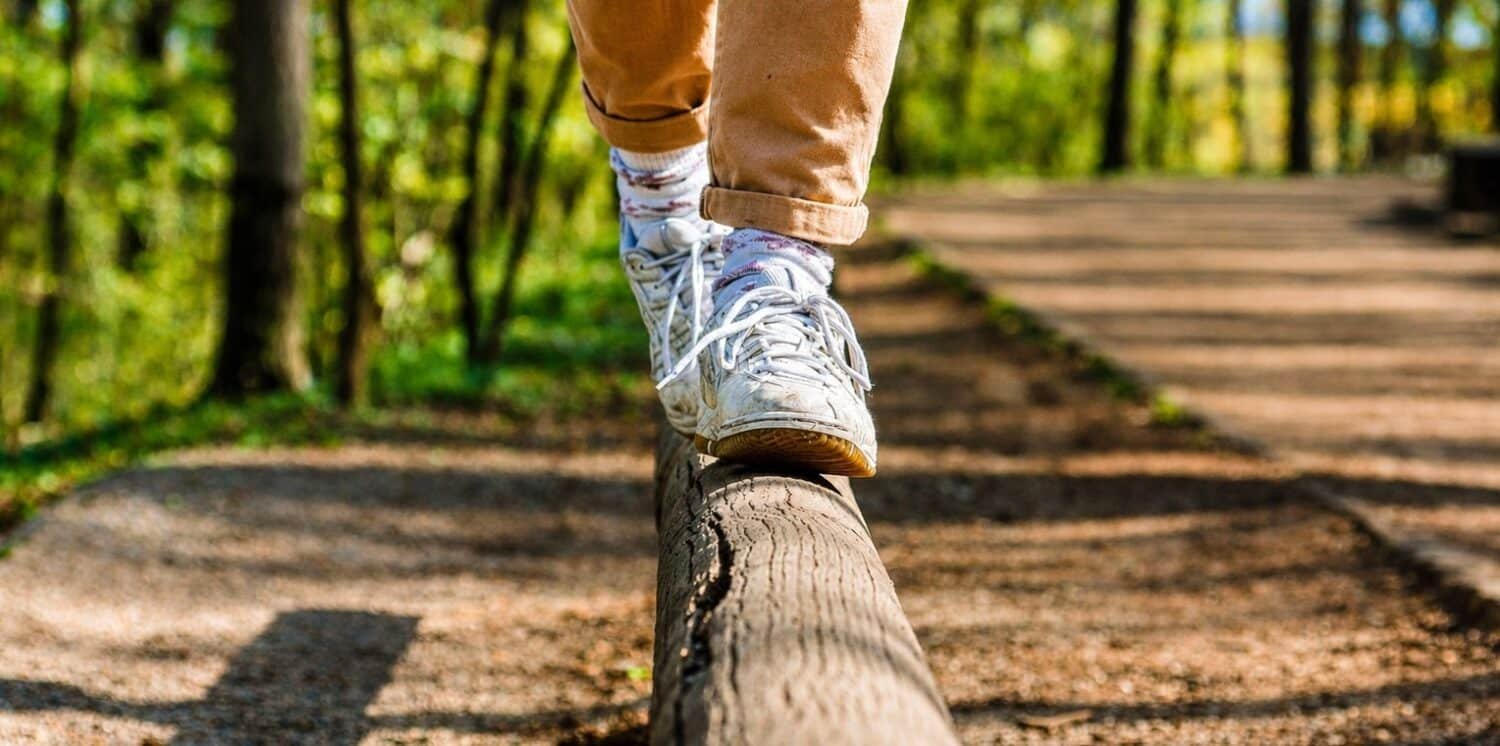
When many people hear the term ‘balance training’, they often associate it with fall prevention in older adults or injury rehabilitation. While balance training certainly plays an important role in these areas, its benefits go far beyond that. Improving balance is valuable for people of all ages and fitness levels, yet it’s often one of the most overlooked parts of a training routine.
Static and dynamic balance
Static balance allows the body to be stable when stationary in an upright posture. This forms the basis of daily functional movements like sitting and standing. Not only does it help daily tasks, it strengthens postural muscles which after long hours sitting at a desk need a little TLC.
Even in athletic performance, static balance helps with stability and control in stationary positions such as the squat and yoga. Lastly, static balance is very important as it forms the foundation to develop dynamic balance.
Dynamic balance is maintaining stability while in motion such as walking, climbing stairs or lunging. To retain independence and complete daily tasks such as walking and stairs, dynamic training is pivotal. Again, dynamic balance is significant for most population groups regardless of age.
Dynamic balance training enhances physical performance and coordination. Training such as SAQ (speed, agility and quickness) training, supports efficient changes of direction and power in sports. A big benefit of dynamic training is the improvements in neuromuscular control, which has many benefits including developing sport specific skills.
Systems for balance
Static and dynamic balance are helped by 3 important systems. The brain receives input from these systems to maintain balance. They all work together to keep the centre of mass of the body in check. These are:
- The Vestibular system (inner ear)
- Proprioception system (sensory nerves)
- Vision
Vestibular System – located in the inner ear. Detects head movement, position and orientation in space.
Proprioception system – provide constant feedback to the brain. Nerves in the body (joint, muscles, connective tissues etc) sense pressure and body position, (especially in the feet).
Vision – Visual cues help the brain assess surroundings and determine where the body is relevant to this environment.
Why is balance important
So we have already looked at some of the benefits that can be gained from static and dynamic training. We have also concluded that these are important for different people groups; young and old, sedentary or athletic, rehabilitating or healthy. But why is this important?
Importance of balance training
Vital to retain independence – helps with walking, climbing stairs and functional movements like squats.
Important for longevity – Balance training promotes longevity by preventing fall related injuries, maintaining mobility, strengthening cognitive function and lowering mortality rates.
Combats sarcopenia – strengthening muscles and connective tissue in the feet, legs and core helps combat the natural loss of muscle mass as we age. Strengthening these areas also boosts overall functionality.
Better body awareness – Due to enhanced coordination and proprioception with balance training. This increased body awareness allows for posture correction, and a more balanced stance.
Cognition – Cognitive skills and physical balance are intertwined with processing speed and memory directly influencing stability. As we age these both deteriorate, however the good news is there are exercises and activities we can do to counter this decline and the other issues we have discussed.
Factors that influence balance
- Centre of gravity (lower – more stable)
- Base of support (wide base – more stable)
- Physical factors (muscle strength, joint flexibility, reaction speed)
- Other factors (injuries, medications, medical conditions)
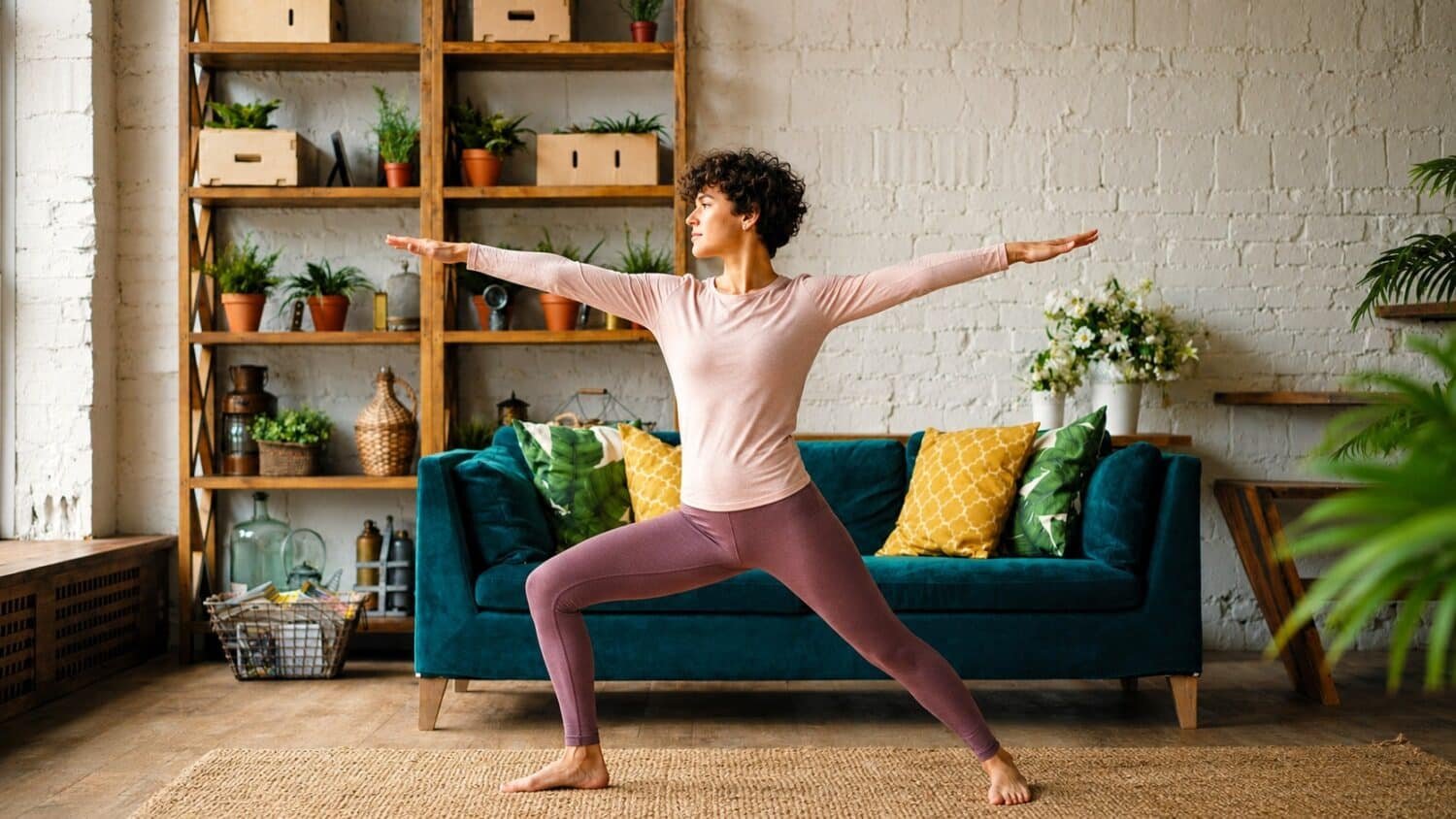
Examples of balance exercises and activities
Static balance exercises: typically have a narrow base or involve standing on one leg.
- Single leg stand
- Tandem (heel to toe)
- Eyes closed – by performing the above with your eyes closed you take out the visual element and rely on the vestibular system and proprioception.
- Uneven surface stand
Dynamic exercises: Improves stability and challenges centre of gravity.
- Heel to toe walking
- Single leg stand with movement (ie writing the alphabet)
- Sideways walk grapevine (to challenge cognitive and physical aspects)
- Single leg romanian deadlift
- Lunge with torso twists
- Wobble boards
Activities for balance training:
- Yoga
- Tai chi
- Pilates
Tips for success
Safety first – Do these exercises with a buddy and near a sturdy surface.
Frequency – build up gradually increasing frequency as able
Progression – Adjust FITT variables suitable to you (Frequency, Intensity, Time, Type)
Lastly, find an activity you enjoy. If you enjoy it, you will stick with it.
If you have any health conditions, check with your healthcare professional before commencing.