
Middle age is often portrayed negatively in Western culture. We even have the term ‘midlife crisis’, which hardly helps to make it sound appealing. However, it doesn’t have to be a negative time, and there are many things we can do to make it a positive stage of life. There is no universally agreed definition of middle age, but the 40–60 age range is sometimes used.
What changes during middle age?
From a nutritional perspective, everyone is different, so we can’t generalise about what people will experience during middle age. However, there are some areas where you may notice changes.
Metabolism and body composition
One of the first things that might be noticed is an increase in body weight. Changes in muscle mass, physical activity, hormones, sleep and dietary habits can all contribute to weight gain.
The key strategy here is to focus on nutrient-dense rather than calorie-dense foods. This can mean some easy food swaps. So instead of eating white rice and pasta, you could move to higher-fibre wholegrain alternatives, such as brown rice and wholegrain pasta, which can provide more fibre and nutrients.
Changes in body shape and composition during midlife can also affect our mental wellbeing. For some people, changes in weight, muscle mass or where the body stores fat can affect body image and self-esteem, particularly in a culture that places a strong emphasis on looking young.
It is important to recognise that these changes are a normal part of ageing and don’t necessarily mean that our health is deteriorating. Focusing on what our bodies can do, rather than simply how they look, and supporting them with nutritious food, regular exercise and good quality sleep can help us maintain both physical and mental wellbeing as we move through midlife.
Menopause and hormonal changes
Menopause usually occurs between the ages of 45 and 55. Premature menopause, when menopause occurs before the age of 40, affects around 1 in 100 women. It is widely understood that oestrogen levels significantly decline during the transition through menopause, which can affect women both physically and mentally.
Oestrogen plays an important role in maintaining healthy bones and supporting brain function. Menopause can therefore contribute to difficulties with memory and concentration.
Some foods may also help support women during the menopause. Soya foods, such as tofu, edamame beans and soya milk, contain natural plant compounds called isoflavones, which have a similar structure to oestrogen. Some research suggests that including soya foods regularly in the diet may help reduce certain menopausal symptoms, although the evidence is mixed. Regardless, soya foods can be a valuable addition to a healthy diet as they provide protein, fibre and other important nutrients.
Muscle mass
Typically, muscle mass decreases at a rate of approximately 3–8% per decade after the age of 30 and can lead to falls and frailty in older people. However, this decline can be offset or even partially reversed by ensuring you consume adequate protein and doing regular exercise, including resistance/strength training.
Bone health
Hormone levels also change during midlife, including levels of oestrogen and testosterone. Lower levels of these hormones, combined with vitamin D deficiency, have been associated with reduced bone mineral density and increased risk of fracture.
Menstruating women have a higher risk of osteoporosis post menopause, because bone loss can begin to outpace bone formation from around the mid-30s. This process is further exacerbated during the menopause, due to the reduction of oestrogen.
As with muscle mass, there is plenty we can do to offset age-related changes on our bone health. The Association of UK Dietitians (BDA) recommends weight-bearing exercise, including activities like walking, dancing, and strength training, alongside adequate calcium and vitamin D for bone health during menopause.
Testosterone levels also tend to change with age in men. As with changes in oestrogen, maintaining muscle mass, a healthy weight and an active lifestyle becomes increasingly important.
Nutrition priorities for middle age
Prioritise fibre and protein
Eating plenty of fibre and enough protein can help support healthy blood sugar levels, appetite regulation and muscle maintenance. Good sources of both include beans, chickpeas and lentils. The good news is all these can conveniently be bought in cans and easily added to most dishes. Research published in 2024 found that higher protein intake during midlife, particularly from plant sources, was associated with greater odds of healthy ageing.
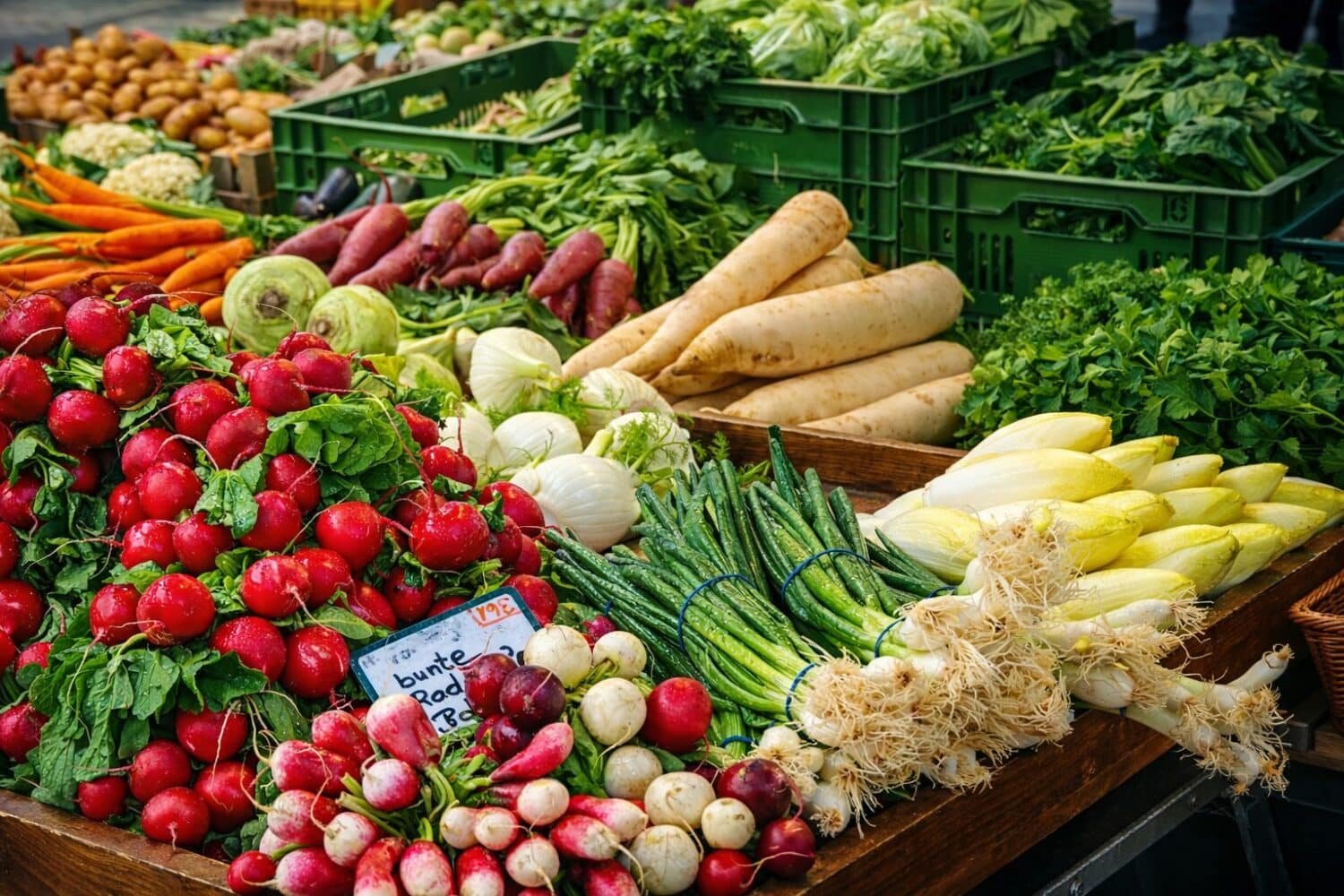
Eat plenty of fruit and vegetables
Aim to include a variety of colourful fruit and vegetables, alongside nuts and seeds in your diet. Different foods provide different vitamins, minerals, fibre and other beneficial plant compounds, so eating a good variety is more important than focusing on any single “superfood”. YThis approach closely mirrors the Mediterranean-style diet, which is associated with a range of health benefits.
Limit highly processed food
A large part of keeping the body healthy through middle age is to limit highly processed foods, particularly those high in added sugar, salt and saturated fat. Food labels can be useful for comparing products and identifying foods that are high in these nutrients. Need more help decoding food labels – check out our handy guide.
Fats and oils
Fats found in foods such as nuts, seeds, oily fish, olive oil and cold-pressed seed oils are important for overall health. These sources provide predominantly unsaturated fats, which play important roles in the body, including supporting normal brain, heart and cell function.
Making the most of middle age
Middle age doesn’t have to be a period of decline. While our bodies naturally change as we get older, there is plenty we can do to support our health and wellbeing and improve our chances of ageing well.
A healthy, balanced diet can provide the nutrients we need to maintain muscle and bone health, support brain function and help maintain a healthy weight. Focus on plenty of fruit and vegetables, high-fibre foods and adequate protein, while choosing healthy sources of fat and limiting highly processed foods.
Nutrition is only part of the picture. Regular exercise, particularly strength and weight-bearing activities, can help maintain muscle and bone strength, while good quality sleep and looking after our mental wellbeing are equally important.
Rather than seeing middle age as something to fear, it can be an opportunity to build healthy habits that support our healthspan for many years to come.