Cardio, short for cardiovascular exercise, includes activities that raise your heart rate and breathing by working large muscle groups rhythmically. Regular cardio strengthens your heart and lungs, improves fitness and helps reduce the risk of several long-term health conditions.
When people think about cardio, they sometimes focus on high-intensity interval training (HIIT). HIIT involves short bursts of vigorous exercise followed by periods of recovery. It can be an effective way to improve fitness in less time, but it isn’t the only option.
If you find high-impact activities uncomfortable, are returning to exercise after a break or simply prefer a gentler approach, low-impact cardio can be an excellent alternative.
What is low-impact cardio?
Low-impact cardio typically avoid repeated periods when both feet are off the ground, or use equipment or water to support the body Examples include brisk walking, cycling, swimming or using an elliptical trainer.
These activities can reduce the impact forces placed on your joints and surrounding tissues, although the amount of stress varies depending on the exercise, technique, intensity and your individual circumstances.

Key benefits of low-impact cardio
1. Less impact on your joints
Low-impact activities generally involve less impact than running or jumping. This can make them a useful option if you’re looking to reduce impact on your knees, hips and ankles.
However, low impact doesn’t mean no joint stress. Repetitive movements, poor technique or an unsuitable level of resistance can still cause discomfort so pay attention to how your body responds.
2. Support for bone health
Weight-bearing activities such as walking help maintain bone strength by placing mechanical loads on the bones. Activities such as cycling and swimming provide less of this stimulus because your body weight is supported by the bike or water.
3. A potentially more manageable return to exercise
If you’re getting back into exercise, low-impact activities can provide a way to build fitness gradually. They can also be useful when you’re managing joint discomfort, provided the activity is appropriate for you.
4. Flexible training options
Low-impact cardio can be adapted to suit different fitness levels and goals. A gentle cycle might be ideal for an easier day, while a brisk walk or intervals on an exercise bike can provide a more challenging workout.
5. A sustainable way to stay active
There are plenty of low-impact activities to choose from, making it easier to find something you enjoy. Consistency matters, so choosing an exercise you enjoy and can fit into your routine is often more valuable than following a programme you struggle to maintain.
How intense is low-impact exercise?
Low impact and low intensity aren’t the same thing.
Impact describes the forces your body absorbs during the activity, while intensity describes how hard your body is working.
You can adapt low-impact cardio to suit your fitness and goals:
- Low intensity: An easy walk or gentle cycle.
- Moderate intensity: A brisk walk or purposeful cycle.
- Vigorous intensity: Faster cycling, swimming intervals or challenging sessions on an exercise bike.
A useful guide is the talk test. At moderate intensity, you should be able to talk but not sing. During vigorous exercise, you’ll generally need to pause for breath after saying a few words.
Remember: if you use low-impact exercises for higher intensity workouts, you still need to allow recovery time for your body, low impact or not!
Examples of joint-friendly cardio
Swimming
The buoyancy of water supports much of your body weight, reducing the load on many joints. Swimming can provide a whole-body cardiovascular workout, while water-based exercise classes (aquacise) offer another option if you prefer not to swim lengths.

Cycling
Whether you use a stationary bike at home, attend a spin class or cycle outdoors, cycling is a low-impact way to improve cardiovascular fitness and work your leg muscles.
Adjust the resistance and pace to suit your ability. If you experience knee discomfort, check your bike setup and consider reducing the resistance.
Rowing
A rowing machine provides a low-impact cardiovascular workout that involves the legs, back, arms and core. Learning the correct technique is important, particularly if you’re new to rowing or have existing back or joint problems.
Brisk walking
Walking is accessible, requires little equipment and can be easily adapted to your fitness level. A brisk pace can count towards your weekly moderate-intensity activity target.
Start on level ground if you’re building up your fitness, then consider adding hills or increasing your pace as you become more comfortable.
Walking is also weight-bearing, making it a useful option for supporting bone health.
Elliptical trainer
An elliptical trainer allows you to move your legs in a walking or running-like motion without the same repeated impact as running. Your feet remain on the pedals, and you can usually adjust the resistance and pace.
It can be a useful alternative if you find running uncomfortable, although it won’t suit everyone.
Stair climber
A stair climber can provide a challenging cardiovascular workout without the repeated impact of running or jumping. However, it still places considerable demand on the legs and knees, particularly as the intensity increases. It may not be suitable for everyone, particularly those who experience knee discomfort when climbing stairs
How much cardio should you aim for?
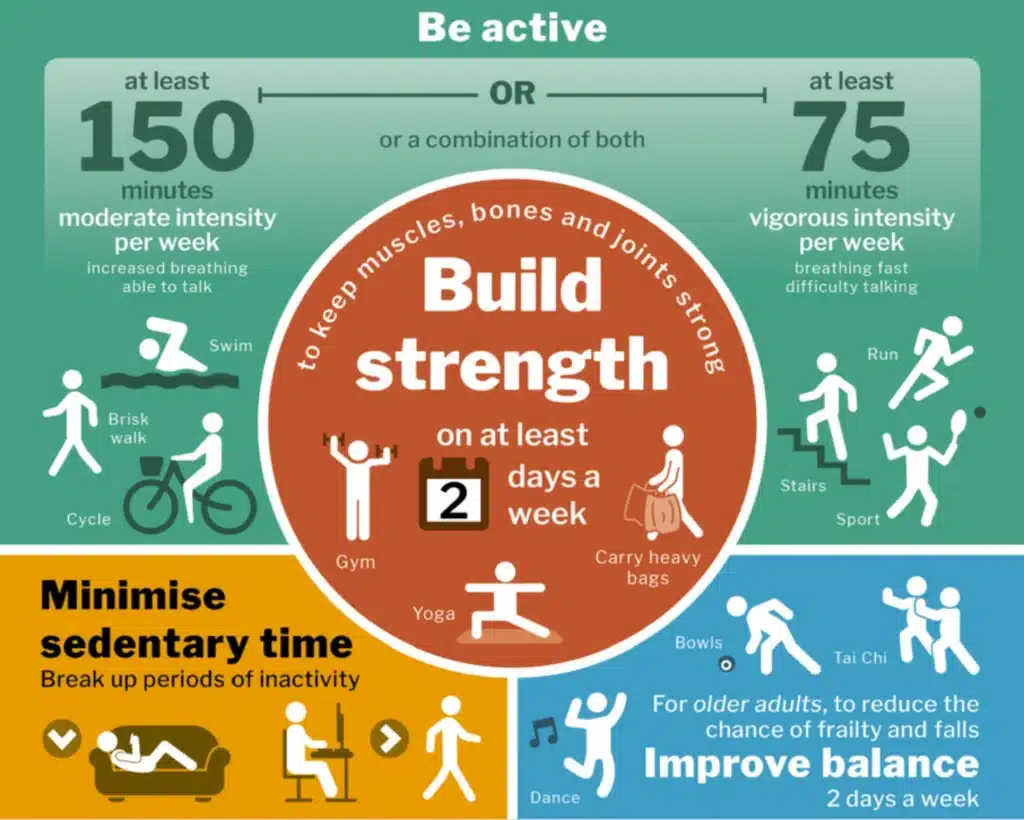
For adults aged 19–64, UK guidelines recommend that adults aim for at least 150 minutes of moderate-intensity aerobic activity each week, or 75 minutes of vigorous-intensity activity, or a combination of both.
You should also aim to do muscle-strengthening activities on at least two days a week.
You don’t have to do all your cardio in one go. Shorter sessions can add up across the week, and if you’re starting from a low level of activity, doing a little more than you currently do is a good first step.
Low-impact activities can contribute towards these targets, provided the intensity is appropriate.
Tips for getting started
- Build up gradually. Start small and build up. Doing too much too soon can lead to injury and loss of motivation.
- Listen to your body. It’s not a ‘no pain no gain’ situation. If an activity repeatedly causes pain or swelling, stop and seek appropriate advice.
- Choose suitable footwear. As with any exercise, comfortable and supportive footwear is essential for good foot health and reduced injury risk.
- Stay hydrated. Although the intensity can be low, hydration is still important for good health, so don’t get caught out, particularly on longer sessions.
- Allow time to recover. Adjust the frequency and intensity of your workouts to suit your fitness and recovery needs.
- Seek advice if needed. If you have a health condition, persistent joint pain or concerns about exercising safely, speak to your GP or a physiotherapist for personalised guidance.
So, what does this mean?
Cardio is an important part of a healthy lifestyle, but it doesn’t have to involve running, jumping or high-impact workouts. Low-impact activities such as walking, cycling, swimming and rowing can help you improve cardiovascular fitness while reducing impact on your joints.
You might use low-impact cardio for recovery, as part of your regular moderate-intensity exercise or for more challenging workouts. You can also combine it with strength training to support your muscles, bones and overall physical health.
The key is to find an activity you enjoy, build up gradually and keep moving consistently.